Table of Contents
- What Is Industrial Epoxy Flooring?
- Benefits of Industrial Epoxy Flooring for Warehouses
- How Much Does Industrial Epoxy Flooring Cost in Texas?
- Best Applications for Warehouse Epoxy Flooring
- Epoxy Flooring vs. Bare Concrete
- Why Proper Installation Matters
- Choosing an Industrial Flooring Contractor in Texas
- Get an Estimate for Industrial Epoxy Flooring
Warehouse floors take a beating every day. Forklifts move heavy loads across the concrete, pallets get dragged from one area to another, and equipment, oil, and chemicals can leave marks that are difficult to remove. Over time, an untreated concrete floor can develop cracks, dust, stains, and worn patches that make maintenance harder.
For many warehouse owners and facility managers, industrial epoxy flooring is a practical way to protect concrete and create a floor that is easier to clean and maintain. When the right coating is installed over properly prepared concrete, it can handle demanding working conditions while giving the facility a cleaner, more professional appearance.
For businesses looking for industrial epoxy flooring in Texas, the key is choosing a flooring system that suits the building, the work taking place inside it, and the amount of daily traffic it receives.
What Is Industrial Epoxy Flooring?
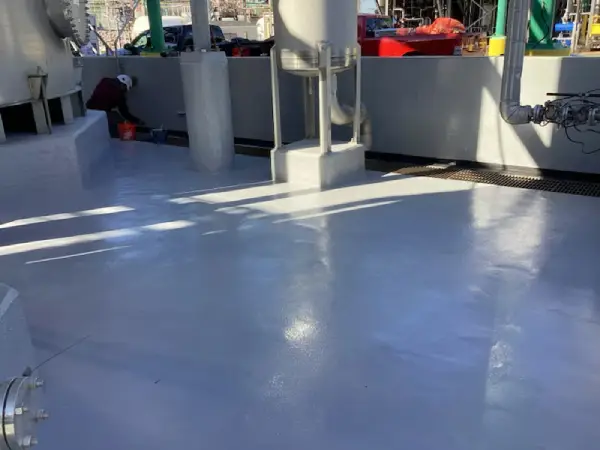
Industrial epoxy flooring is a protective coating system applied over concrete floors. It is made by combining epoxy resin with a hardener, creating a durable surface that bonds to properly prepared concrete.
Unlike bare concrete, an epoxy-coated floor can resist many common sources of wear, including abrasion, spills, and routine cleaning. Depending on the system selected, it can also provide chemical resistance, improved traction, and a seamless finish.
Epoxy flooring is used in warehouses, manufacturing plants, distribution centers, automotive facilities, and other commercial and industrial buildings where the floor needs to do more than simply support foot traffic.
However, not every epoxy system is suitable for every facility. A warehouse with light storage requirements has different needs from a manufacturing plant with heavy machinery or frequent chemical spills. The flooring system should be selected with those conditions in mind.
Benefits of Industrial Epoxy Flooring for Warehouses
For a busy warehouse, flooring problems can become expensive if they are left untreated. A coating system suited to the facility can help protect the concrete and make everyday maintenance more manageable.
Handles Heavy Traffic
Forklifts, pallet jacks, carts, and loaded equipment put repeated stress on warehouse floors. Industrial-grade epoxy systems can withstand substantial traffic when the coating thickness, concrete preparation, and system design match the site’s requirements.
This makes warehouse epoxy flooring a practical option for distribution centers and storage facilities with frequent material movement.
Easier to Clean and Maintain
Bare concrete can collect dust, absorb certain spills, and develop stains that are difficult to remove. A properly installed epoxy coating creates a more continuous surface that is easier to sweep and clean.
For facilities that store packaged goods or operate around machinery, this can help keep work areas cleaner and simplify routine floor maintenance.
Protection Against Spills and Chemicals
Oil, grease, cleaning products, and industrial chemicals can damage concrete or leave persistent stains. Certain industrial floor coatings are designed to resist specific chemicals, but resistance varies by formulation and exposure conditions.
Before choosing an epoxy system, warehouse managers should identify the substances used on-site and confirm that the proposed coating is suitable for them.
Better Organization and Floor Visibility
A warehouse floor can do more than support equipment. Different coating colors and compatible floor-marking systems can help identify pedestrian walkways, loading zones, storage areas, and forklift routes.
Slip resistance can also be adjusted with suitable textures or additives. The right finish depends on the work environment, including whether the floor is exposed to water, oil, or frequent washing.
Long-Term Value
Industrial epoxy flooring has an upfront installation cost, but the value should be assessed over the life of the floor. Less frequent repairs, easier cleaning, and reduced disruption can all contribute to the overall return on investment.
The actual results depend on the quality of the installation, the condition of the concrete, the selected system, and how the floor is maintained.
How Much Does Industrial Epoxy Flooring Cost in Texas?
One of the first questions warehouse owners ask is how much epoxy flooring will cost. There is no single price that applies to every facility because each project has different requirements.
The total cost of epoxy flooring in Texas generally depends on several factors:
- Floor AreaLarger projects may benefit from installation efficiencies, although the final price depends on the work involved.
- Concrete ConditionCracks, damaged joints, old coatings, and uneven surfaces may require repairs before installation.
- Surface PreparationGrinding, shot blasting, and removal of existing coatings can affect labor and equipment costs.
- Coating SystemA basic epoxy coating, a thicker industrial system, and a chemical-resistant flooring system have different material and installation requirements.
- Additional FeaturesSafety markings, slip-resistant finishes, line striping, and specialized chemical protection may increase the overall price.
- Installation ScheduleWork carried out during a short shutdown or in phases around ongoing operations may require additional planning and labor.
The best way to estimate the cost of industrial epoxy flooring is to arrange a site assessment. A contractor can inspect the concrete, understand the facility’s daily operations, and recommend a suitable system rather than quoting a price based on square footage alone.
For warehouse owners comparing estimates, it is also worth checking exactly what each proposal includes. Surface preparation, crack repairs, coating thickness, curing time, and warranty terms can make a significant difference between two quotes.
Best Applications for Warehouse Epoxy Flooring
Industrial epoxy flooring can work well in several areas of a warehouse, although the coating system should match the conditions in each space.
Storage and Inventory Areas
Storage areas need floors that can handle regular movement of goods, carts, and material-handling equipment. An appropriate epoxy system can protect the concrete and make dust and spill cleanup easier.
Forklift Traffic Lanes
Forklift routes experience repeated wheel traffic, turning, and braking. These areas may require a heavy-duty flooring system designed for abrasion and mechanical wear. Proper concrete preparation is particularly important in high-traffic zones.
Loading Docks and Dispatch Areas
Loading docks are exposed to moving equipment, dropped materials, dirt, and changing environmental conditions. The flooring system should be selected according to the expected loads, exposure, and potential impact damage.
Manufacturing and Assembly Areas
Warehouses connected to manufacturing operations may experience oil spills, equipment vibration, and contact with chemicals or other process materials. In these areas, the coating should be chosen based on the actual working conditions rather than appearance alone.
Maintenance and Equipment Rooms
Maintenance areas often require protection against lubricants, grease, and cleaning agents. Where stronger chemical exposure or frequent washdowns occur, a specialized system may be more suitable than standard epoxy.
Epoxy Flooring vs. Bare Concrete
Is it worth coating a warehouse floor that is already made of concrete? That depends on the condition of the slab and how the building is used.
| Feature | Bare Concrete | Industrial Epoxy Flooring |
|---|---|---|
| Dust control | Can produce concrete dust as it wears | Can help control surface dust when properly installed |
| Cleaning | May absorb stains and require more effort | Generally easier to clean |
| Chemical protection | Limited without a suitable treatment | Depends on the coating’s chemical resistance |
| Appearance | Plain, with visible wear over time | Available in different colors and finishes |
| Initial expense | No new coating installation cost | Requires preparation, materials, and installation |
| Maintenance | May require sealing or repairs | Requires cleaning, inspection, and eventual maintenance or recoating |
Epoxy is not automatically the best choice for every concrete floor. Some facilities may benefit more from polished concrete, urethane cement, or another resinous flooring system. A professional assessment can help determine which option offers the right balance of durability, maintenance, and cost.
Why Proper Installation Matters
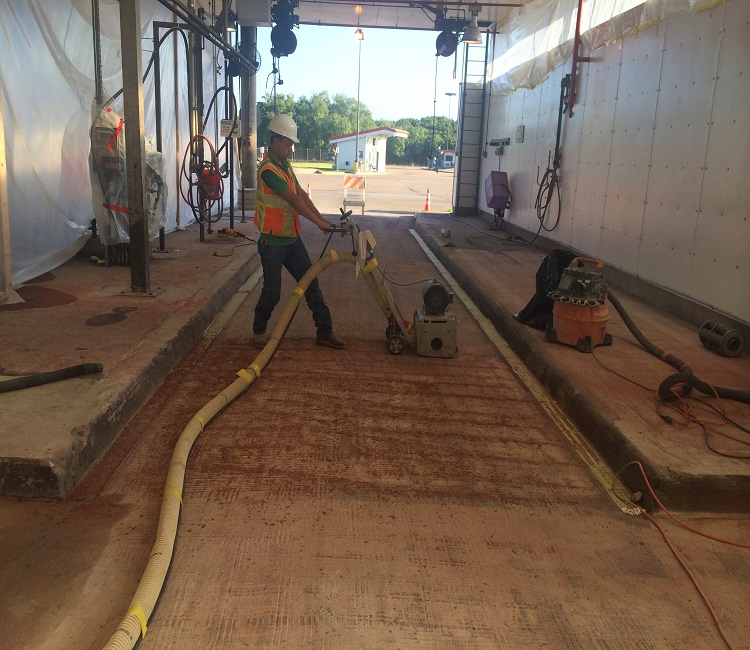
Even a high-quality coating can fail if the concrete underneath it is not properly prepared. Peeling, bubbling, weak adhesion, and premature wear can result when moisture, contamination, or surface defects are not addressed.
A reliable installation process should include the following steps:
- Inspect the concrete.Check for cracks, damaged joints, contamination, and moisture-related concerns.
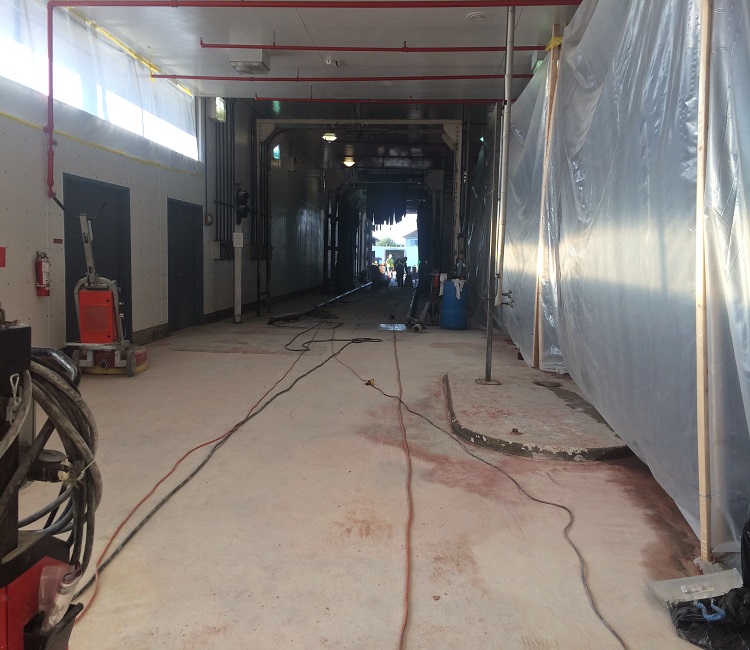
- Prepare the surface.Use suitable mechanical preparation to remove contaminants and create the required surface profile.
- Repair damaged areas.Address cracks and other defects where appropriate for the selected system.
- Apply the coating system.Follow the manufacturer’s requirements for mixing, application thickness, and environmental conditions.
- Allow adequate curing time.Keep traffic off the floor until the system is ready for use, following the product specifications.
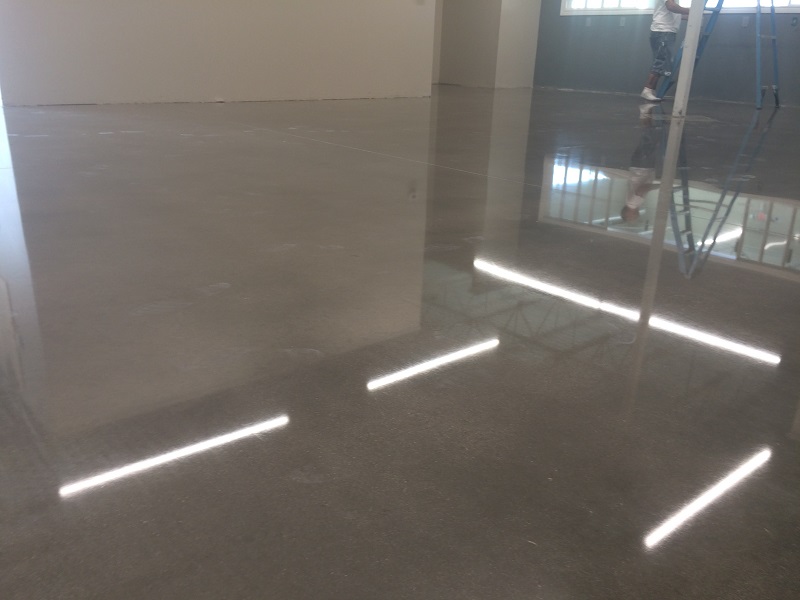
For facilities that cannot stop operating for several days, installation scheduling is particularly important. Some systems offer faster curing than others, but the actual time before foot traffic, forklift traffic, or chemical exposure is permitted must be confirmed for the chosen product.
Choosing an Industrial Flooring Contractor in Texas
Selecting the right contractor is just as important as choosing the coating itself. Before committing to a project, ask whether the contractor has experience with similar facilities, how the concrete will be prepared, and which flooring system is recommended for your operating conditions.
It is also worth asking about expected service life, maintenance requirements, installation downtime, and the manufacturer’s technical specifications.
MRK Industrial Solutions provides industrial epoxy flooring and other resinous flooring systems for warehouses, manufacturing plants, and commercial facilities across Texas. Its flooring services include epoxy, urethane cement, and other specialized systems for demanding environments.
If your warehouse floor is showing signs of wear, or you are planning a new facility, getting the floor assessed before problems become more serious can help you make a better-informed decision.
Get an Estimate for Industrial Epoxy Flooring
A warehouse floor needs to stand up to the demands of daily operations without creating unnecessary maintenance problems. The right industrial epoxy flooring system can help protect concrete, simplify cleaning, and provide a durable working surface for years of use when it is properly selected and installed.
The first step is understanding the condition of your existing floor and what it needs to withstand.
Looking for industrial epoxy flooring in Texas? Contact MRK Industrial Solutions to discuss your warehouse flooring requirements and request a project assessment.